Projects and Activities
Japan Study Tour
SENDAI CITY & TOKYO 18-24 January 2026
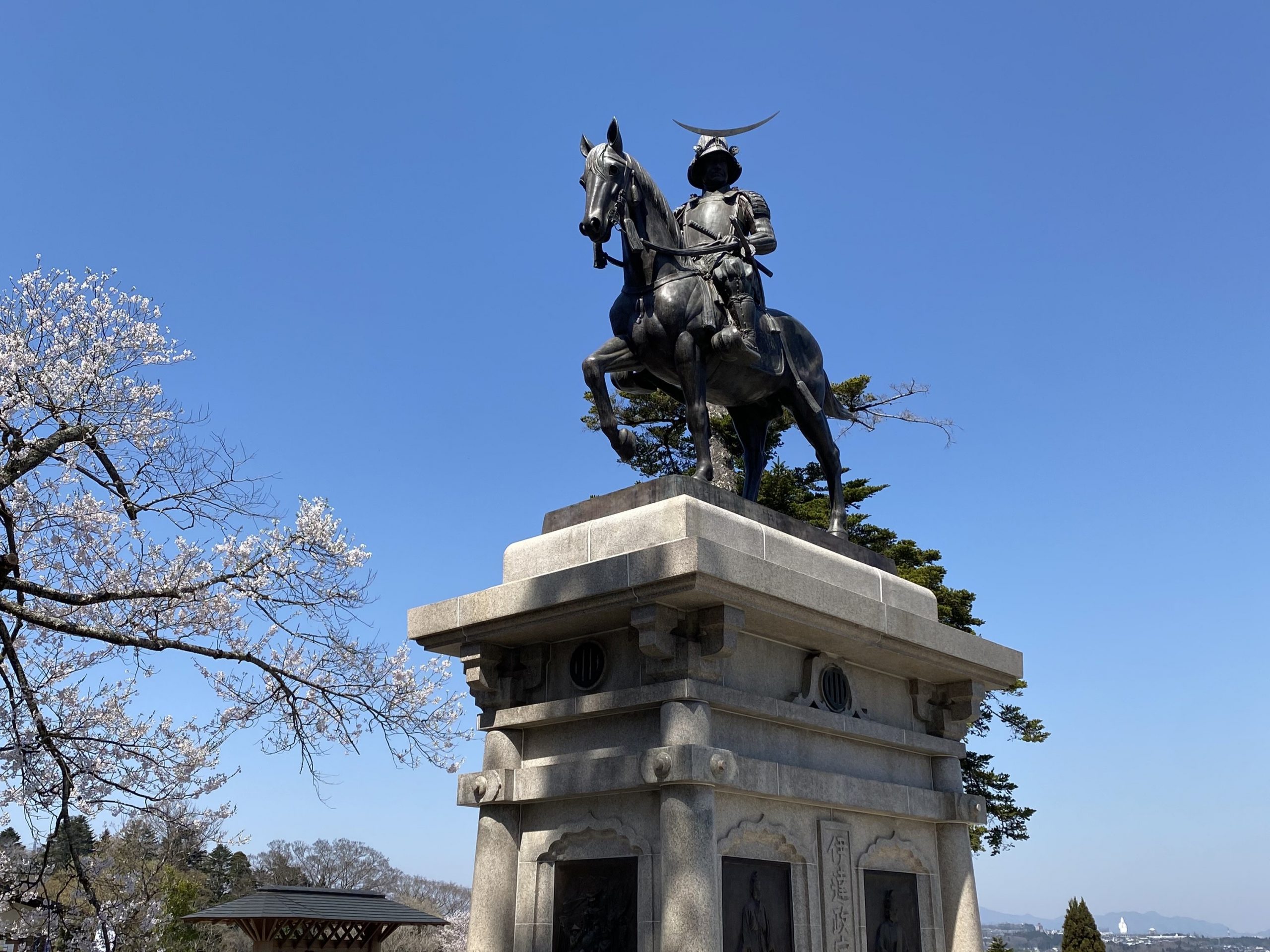
Statue of Date Masamune, founder of Sendai City
JST 2026 – ‘Northern Ambitions, Japanese Insights: Innovation in Sendai’
Applications for the 2026 tour have now closed – details for JST 2027 will be posted this summer, general guidelines for applications at the bottom of the page
Northern Ambitions, Japanese Insights: What UK Local Leaders Learned from Japan (January 2026)
In early 2026, a delegation of senior officials from across the UK’s local and regional government sector travelled to Japan for the Local Government Exchange and Cooperation Seminar, organised by the Japan Local Government Centre in partnership with the Council of Local Authorities for International Relations.
The programme brought together representatives from cities and regions including London, Manchester, Leeds, Liverpool, Sheffield, Newcastle and South Yorkshire. Over the course of a week, delegates split their time between the capital and the regional city of Sendai, exploring Japan’s local government system and exchanging perspectives on economic development, resilience, innovation and international collaboration.
The visit also coincided with renewed diplomatic engagement between the UK and Japan, underlining the growing importance of subnational diplomacy—the relationships between cities and regions that support and strengthen national partnerships.
As Liam Ronan-Chlond, Director of Strategic Partnerships at the South Yorkshire Mayoral Combined Authority, reflected, the experience demonstrated how international cooperation increasingly takes place beyond national capitals.
“It’s a useful reminder that diplomacy doesn’t just happen between capitals; it happens between regions too. National relationships are strengthened when local leaders are building trust, sharing practice and creating practical collaboration on the ground.”
Devolution and Local Economic Leadership
One of the most striking insights for the UK delegation was the degree of fiscal autonomy exercised by Japanese regional governments. Japan’s prefectures and municipalities are responsible for administering a significant proportion of public funding and have considerable flexibility in how they drive regional economic development.
For many delegates, this highlighted both similarities and contrasts with the UK’s evolving devolution agenda.
James Moore, representing the North East Combined Authority, observed that while Japanese counterparts were interested in the UK’s mayoral combined authority model, the British delegation was equally struck by the maturity of Japan’s decentralised system.
“Our Japanese counterparts were curious about the mayoral combined authority model, but we were equally struck by the maturity of their fiscal devolution. Regional governments have real autonomy and tools to drive economic growth at pace.”
A recurring theme throughout the programme was the close collaboration between local government, universities and the private sector in shaping regional economic strategies. Delegates visited NanoTerasu, a next-generation synchrotron research facility in Sendai that enables researchers to study materials at the nanoscale.
Moore described the facility as “a striking example of how a place can blend deep tradition with cutting-edge innovation,” illustrating how regions can evolve economically while maintaining a strong sense of identity.
Innovation, Universities and Start-up Ecosystems
Innovation ecosystems were another key area of discussion. The delegation heard how cities like Sendai foster collaboration between academia, government and business to develop new industries and respond to local priorities.
For Polly Kwok, Communications and Engagement Manager at the London Office of Technology and Innovation, the tour offered an opportunity to explore how these partnerships operate in practice.
“Travelling between Tokyo and Sendai, the week was a real deep dive into Japan’s local government system and learning about Sendai’s journey to recovery through innovation and resilience.”
Kwok highlighted initiatives such as BOSAI-TECH, Sendai’s disaster-prevention innovation platform, which brings together start-ups, researchers and public sector organisations to develop technologies that strengthen disaster preparedness.
Resilience and the Legacy of 2011
Perhaps the most powerful element of the programme was the opportunity to learn about Sendai’s recovery following the 2011 Great East Japan Earthquake and Tsunami.
Delegates visited the preserved Arahama Elementary School and the Sendai 3/11 Memorial Community Center, hearing first-hand accounts from survivors and educators who experienced the disaster.
Kwok described the visit as deeply moving:
“Visiting Arahama Elementary School, preserved exactly as it was after the tsunami, with the principal as a guide was incredibly moving… their story of navigating crisis and their message of preparedness and strength is very inspiring.”
For Matthew Hogan, Head of Partnerships for London Resilience at the Greater London Authority, the experience highlighted the importance of long-term thinking in resilience planning.
“At the sites in Sendai or Tokyo, the consistent message was about creating the conditions for resilience upfront—that resilience is more than the ability to respond when something goes wrong. That’s a real lesson.”
Tourism, Culture and Civic Responsibility
Tourism policy and regional economic development were also key topics during the tour. Japan is continuing to expand its visitor economy while addressing demographic challenges such as population decline in rural areas.
Karen Murgatroyd of Leeds City Council emphasised how cooperation between national ministries and local governments supports these efforts.
“Sharing best practice on topics as diverse as tourism tax, resilience, devolution and international partnerships, this was a great example of subnational diplomacy in action.”
Murgatroyd also reflected on the cultural factors shaping Japan’s public realm:
“Public spaces are treated as collective assets, shaped by everyday behaviour rather than constant oversight by municipal services.”
Delegates repeatedly noted the cleanliness of Japanese cities and the strong civic norms that underpin it, as well as the efficiency of public transport—including travel on the country’s renowned Shinkansen bullet train.
Strengthening International Partnerships
For many participants, the study tour demonstrated the value of international peer learning between cities and regions.
Yvonne O’Malley, Head of Leisure, Events and Contracts at Manchester City Council, described the visit as:
“An inspiring week of idea-sharing and relationship-building with national and local government leaders, universities and strategic stakeholders—learning first-hand how Japanese cities drive economic growth, innovation and long-term resilience.”
Through meetings with national ministries, universities, innovation hubs and local government leaders, the delegation explored how cities can work together to address shared challenges—from economic transformation to disaster preparedness.
As O’Malley concluded:
“I’m really looking forward to building on these collaborations in Japan—and with my fellow UK study tour colleagues—as we continue to strengthen international partnerships, drive innovation and share global best practice.”
The study tour ultimately reinforced a simple but powerful message: while national governments shape diplomatic frameworks, lasting international relationships are often built city-to-city, region-to-region, and leader-to-leader.
Outline and applications for the tour
JLGC London each year invites senior executives in local government and staff working in the public sector within the jurisdiction of the countries covered by our office (the UK, Republic of Ireland and other countries within Northern Europe) to Japan for a week-long tour and series of seminars and workshops: to exchange best practice, opinions and information on the current state and issues of local autonomy, and to deepen understanding of each other’s local autonomy systems.
JLGC’s annual Japan Study Tour was hosted by Sendai City (Miyagi Prefecture), in 2026 after an orientation into local government at JLGC’s head office CLAIR Tokyo in the capital and site visits to various government-related facilities.
The Sendai City segment of the tour helped participants learn how Japanese cities of varying scale improve local services through a devolved local government system. Participants saw a wide spectrum of best practice and local government strategies including industry-government-academia collaboration and tourism policy.
JLGC invites applicants from senior level staff of UK/Northern European local government and public sector organisations to join this seven-day tour to see how Japan tackles challenges for the future.
For more information, for any questions about eligibility about future tours or to request the application form and outline document to be sent as an attachment, please email “JST” in the subject bar to mailbox@jlgc.org.uk