The Rising Challenge of Brown Bear Encounters in Japan: Implications for Local Governments
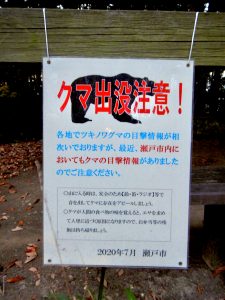
In recent years, brown bear (higuma) sightings and attacks on humans have surged across Japan, particularly in Hokkaido and northern Honshu. In 2025, 13 people have been killed and over 200 attacked. While bears are native to these regions, the frequency and proximity of their appearances near human settlements have become a pressing concern for local governments. Japanese local authorities must understand the multifaceted causes behind this trend in developing effective and sustainable responses.
One primary factor is the steady increase in bear populations. After decades of conservation efforts and restrictions on hunting, the brown bear population in Hokkaido is estimated to exceed 13,000. As habitats reach capacity, younger or displaced bears venture further afield, often toward farmland and residential areas in search of food. This demographic pressure has intensified competition within forests and increased encounters near human communities.
A second driver is environmental change. Climate variability and successive years of poor acorn and nut harvests—staple foods for bears—push them to seek alternative food sources outside the forest. Warmer temperatures have also extended the active season, delaying hibernation and creating more opportunities for contact with humans well into late autumn.
At the same time, rural depopulation and the decline of the management of satoyama (a Japanese term applied to the border zone or area between mountain foothills and arable flat land) have transformed the human landscape. As farming and forestry activities decline, many buffer zones that once separated wildlife from people have fallen silent. Abandoned fields, neglected orchards, and unmanaged vegetation now serve as safe corridors and feeding grounds for bears. With fewer people working outdoors, human presence, once a natural deterrent, has weakened significantly.
Equally concerning is the behavioural adaptation of bears themselves. Highly intelligent and capable of learning, some individuals have become habituated to human-related food sources such as garbage, compost, crops, and livestock feed. Once they learn that human environments offer easy access to food, they are likely to return repeatedly and may transmit these behaviours to their offspring.
The result is a complex management challenge. For local governments, the issue is not only ecological but also administrative. The rising number of sightings and citizen reports demands rapid coordination among municipal offices, police, hunters’ associations, and residents. However, staffing shortages, aging hunting cooperatives, and limited budgets have strained local capacity. Many municipalities report that after-hours and weekend bear responses are increasing, adding further burden to already stretched personnel.
In this context, effective risk management requires a combination of prevention, monitoring, and community engagement. Preventive measures include clearing overgrown vegetation near residential areas, installing electric fences around farmland, and enforcing strict garbage control. Technological tools, such as thermal drones, motion-sensor cameras, and digital mapping of sighting data, are becoming valuable assets for early detection. Municipalities like Sapporo and Biei have begun integrating such tools into their routine monitoring systems.
Equally important is public education. Residents must understand both the risks and responsibilities of living near bear habitats. Regular communication through municipal websites, social media, and neighbourhood meetings can help foster vigilance and encourage prompt reporting of sightings. Schools and local organisations also play a role in teaching safe outdoor behaviour and coexistence principles.
Ultimately, Japan faces a new stage in human–bear relations. Local governments must strike a careful balance between public safety, wildlife conservation, and community expectations. As the boundaries between human and natural environments continue to blur, municipalities will need to develop adaptive, science-based management plans supported by strong interagency collaboration and sustained public awareness.
Photo: Copyright KKPCW under the Creative Commons Attribution-Share Alike 4.0 International license